On this page
- What the code actually says (and doesn't)
- County by county: what you'll actually run into
- What triggers a soils report even for a house
- When you genuinely don't need us
- "Soil testing" means three different things at the permit counter
- Get the ground answered before the permit clock starts
- Frequently asked questions
Here's the part the permit counter won't spell out for you: the Florida Building Code does not automatically require a soil test for a typical single-family home. Most counties will issue a house permit using the code's presumptive soil values — 2,000 psf for the sandy soils that cover most of the state — without a single boring being drilled. But every county building official has the authority to require a soils investigation the moment anything about your site looks questionable, and for commercial buildings, structural fill, and anything in Florida's karst belt, you should plan on needing one. Where that line falls depends on the county — and on what's actually under your parcel. We drill, test, and stamp reports in these counties every week from our lab in Ocala, so here's the honest map.
What the code actually says (and doesn't)
Three provisions do almost all of the work:
- Houses — FBC Residential R401.4. In areas likely to have expansive, compressible, shifting, or otherwise questionable soils, the building official determines whether to require a soil test. No red flags, no test — the design just uses the presumptive load-bearing values in Table R401.4.1: 1,500 psf for clay, 2,000 psf for sand, 3,000 psf for sandy gravel. Florida's ubiquitous fine sands land on 2,000, which is why most production homes here permit without borings.
- Commercial — FBC Building Chapter 18. Geotechnical investigations are required wherever the building official designates — and in practice, the structural engineer of record and the lender demand a signed and sealed geotechnical report before the building department ever gets a vote. Treat it as a standing requirement.
- During construction — FBC Chapter 17. Structural fill, soils, and foundations fall under special inspection on larger projects: lift-by-lift density testing tied to a laboratory Proctor, by an approved agency. The permit isn't the end of soil testing; sometimes it's the start.
So the code makes soil testing discretionary for houses and near-universal for commercial — and the discretion belongs to your county's building official. Which brings us to the map.
County by county: what you'll actually run into
This table is field experience — what Florida Geotechnical Services sees getting asked for across the counties we work most, not a copy of any county's intake checklist. Practice varies office to office and changes with code cycles, so before you submit, verify with the building department (or ask us — we'll tell you for free).
| County | Single-family reality | Commercial & larger projects | The ground you're dealing with |
|---|---|---|---|
| Marion (Ocala) | Typically permits on presumptive values — no routine soil-test requirement for a standard house. | A signed and sealed geotechnical report is effectively standard before permitting; special inspections apply to much of it. | Shallow, pinnacled Ocala Limestone in the northwest, karst-active ground west toward Dunnellon, deep clean sands in the National Forest, and decades of undocumented fill in the big platted subdivisions south. |
| Alachua (Gainesville) | Not routine, but clay-country lots and prairie-margin parcels draw scrutiny — verify with the county. | Plan on a full report; campus-area infill almost always needs one because the ground has been built on before. | Split by the Cody Scarp: shrink-swell Hawthorn clays and perched water northeast, near-surface karst southwest, organics near Paynes Prairie. |
| Sumter / The Villages | Building departments in the tri-county area commonly ask for documentation of bearing conditions even for room additions and lanai enclosures. | The warehouse and big-slab boom is going up over covered karst — borings deep enough to see the limestone are the norm. | Sand directly over Ocala Limestone with the confining Hawthorn clays thin, breached, or absent. |
| Lake | On ridge cut/fill lots, expect to document fill compaction — density test reports, or a short boring program to prove the pad. | Standard report plus compaction control; infill lots in Mount Dora, Eustis, and Tavares regularly hide old foundations and undocumented fill. | High sand ridge: deep dry sands, real slopes, and building pads that are half cut, half fill. |
| Citrus | Karst screening is increasingly common at purchase and at build; coastal parcels need the seasonal high water table answered before the slab type is chosen. | Suncoast Parkway growth is pulling standard commercial scopes — report, borings, construction-phase testing. | Some of the most sinkhole-active ground in the United States: thin sand over cavernous limestone, high coastal groundwater. |
| Hernando * | Expect karst-driven scrutiny around Spring Hill and Brooksville — verify current requirements with the county. | Plan on a full geotechnical report. | The center of the belt insurers call Sinkhole Alley; Brooksville Ridge karst with a long claims history. |
| Levy * | Rural parcels mostly permit on presumptive values; wells and septic bring percolation testing into the picture — verify with the county. | A report is typically expected for engineered structures. | Limestone near the surface around Williston and Bronson — quarry country, with karst features to match. |
| Putnam | Building departments in the area commonly ask for a geotechnical report with new construction and density testing on structural fill. | Same, plus special inspections on larger work along the commercial corridors. | Organics, shallow groundwater, and flood-zone earthwork along the St. Johns — soft ground that punishes guesswork. |
* FGS works these counties routinely but hasn't published a dedicated county page yet — treat these rows as general guidance and confirm the current checklist with the building department before you submit.
What triggers a soils report even for a house
The building official's discretion isn't random. Across every county above, the same handful of conditions turn "presumptive values are fine" into "bring me a stamped report":
- Structural fill with no paper trail. "The lot was filled years ago" without lift-by-lift density records is a claim, not a record. Counties either want the records or want borings through the pad.
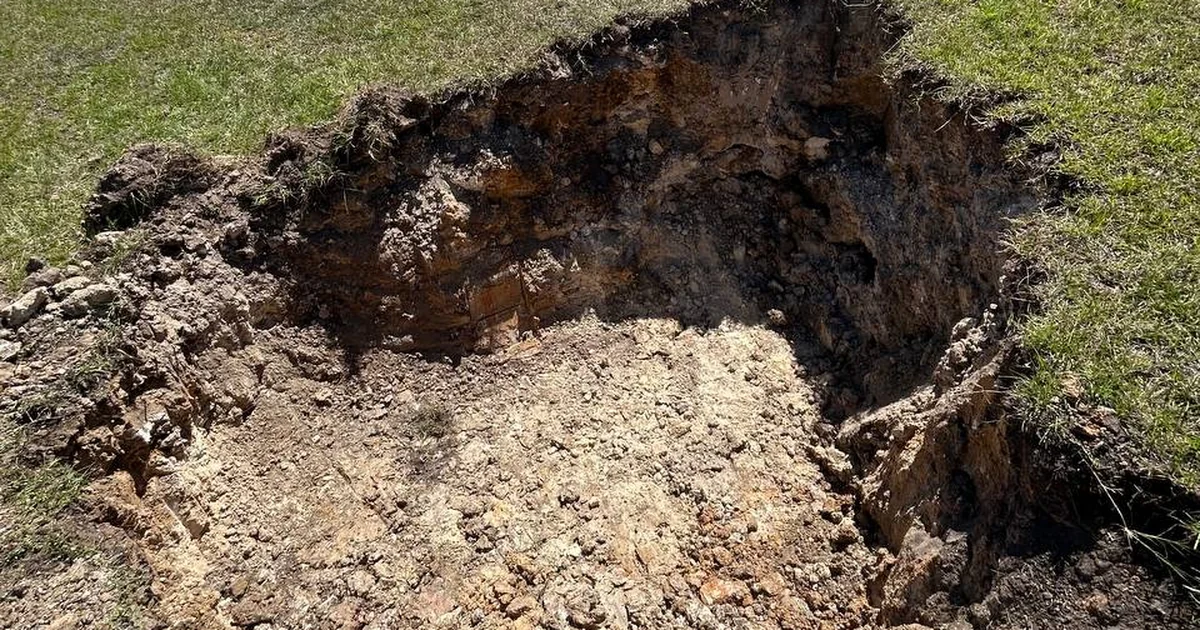
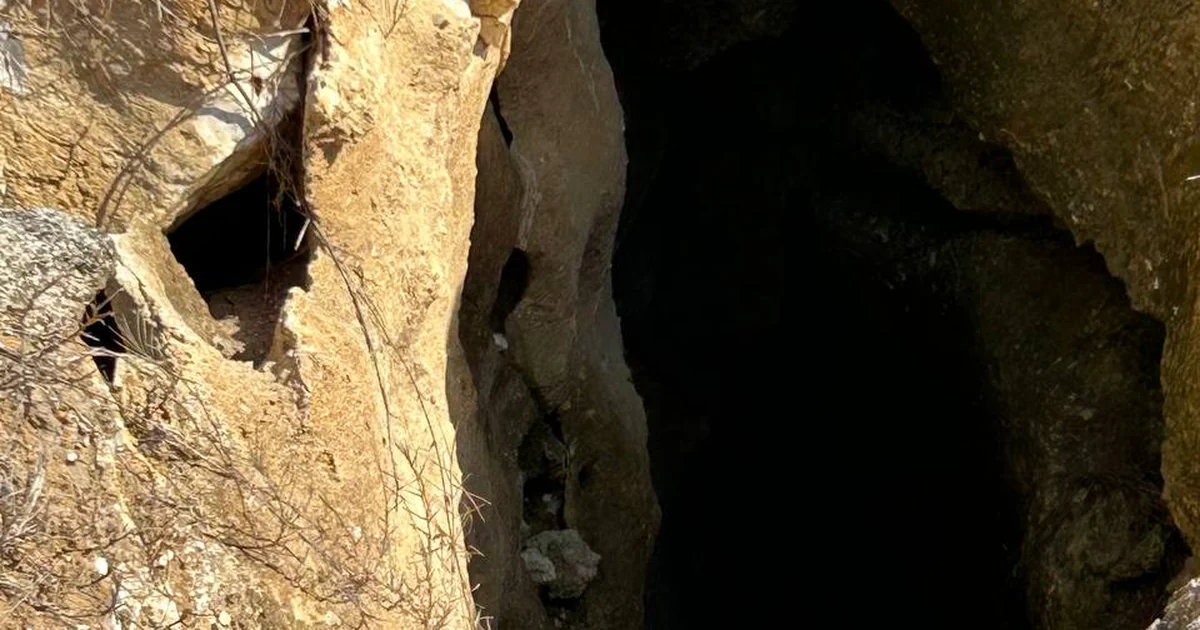
- Karst indicators. Depressions, a repaired sinkhole claim in the property history, or a neighborhood with a documented history. In the western counties this is the single most common trigger, and it's what a proper sinkhole investigation in Florida is built to answer.
- Organic soils and muck. Prairie margins, lake edges, old pasture ponds. Organics don't improve with compaction — they have to be found, quantified, and removed or designed around.
- High groundwater and flood zones. Seasonal high water table drives stemwall-versus-monolithic decisions, fill quantities, and sometimes the foundation type outright.
- Additions and added load. A second story or a big room addition puts new load on bearing conditions nobody documented in 1987 — this is the classic small-scope request, usually one or two borings.
- The lender or insurer asks. Increasingly common in the karst counties regardless of what the building department requires.
When you genuinely don't need us
Honesty costs us nothing here: if your county will permit the house on presumptive values, the lot is flat native sand, there's no fill history, and nothing in the neighborhood suggests karst — skip the geotechnical report and put the money into the build. That's the code working exactly as intended, and a firm that tells you otherwise is selling you drilling you don't need. The caveat we'll stand behind: if you're buying in a karst-active zip code, or you're about to pour on ground with any of the triggers above, a couple of borings is the cheapest insurance in construction. Foundation failures are almost never structural problems — they're geotechnical ones that got skipped.
"Soil testing" means three different things at the permit counter
People use one phrase for three different scopes, and mixing them up wastes money:
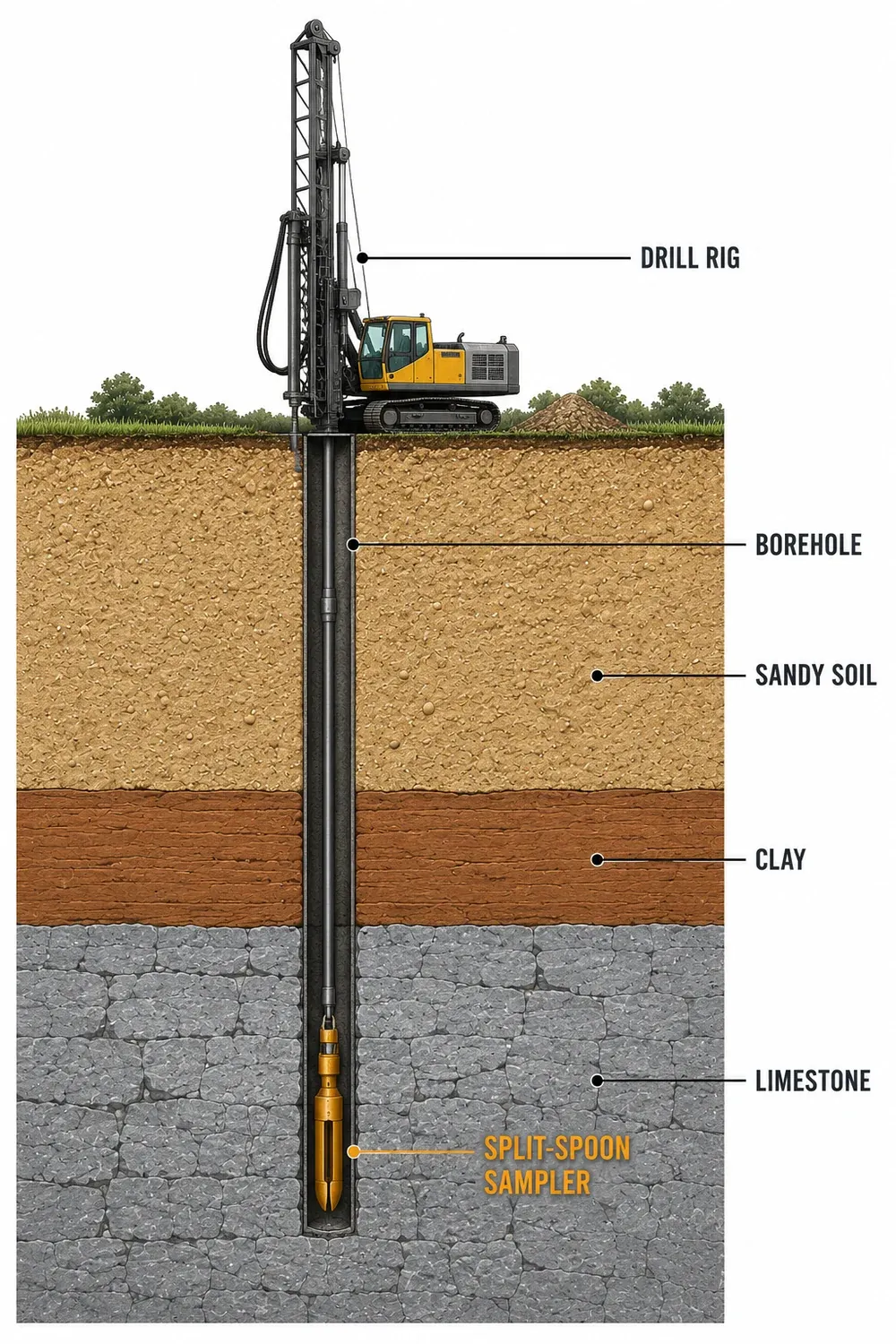
- The pre-construction geotechnical investigation. This is what a plans examiner means for a new structure: SPT soil borings drilled by our own crews, laboratory testing on the samples, and a report with foundation recommendations, signed and sealed by a Florida P.E. It's the deliverable behind our geotechnical engineering services across Florida.
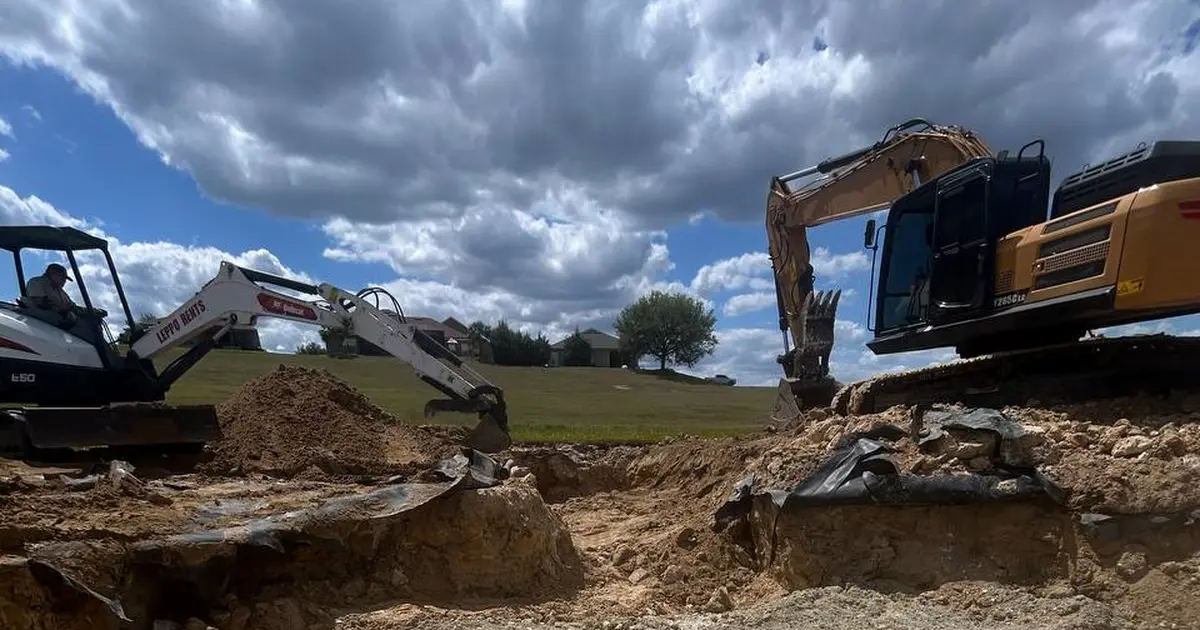
- Density and compaction testing during construction. Field density tests on structural fill, lift by lift, referenced to a laboratory Proctor — the construction materials testing your inspector wants to see in the file before the slab pours.
- Percolation and septic testing. A different test under a different rule set (Florida's OSTDS rules prescribe the methodology) for a different permit — the septic permit, not the building permit.
All three run through the same building in our case: samples come out of the ground and go straight to our FDOT- and CMEC-accredited soil testing laboratory in Ocala — no third-party lab queue, no shipping, one chain of custody from the rig to the stamped report.
Get the ground answered before the permit clock starts
Send us the parcel address, the county, and what you're building. An engineer — not a sales rep — will tell you whether your project actually needs testing, what scope the county is likely to accept, and a firm price. Start with the free quote form or call (352) 619-9292. Florida Geotechnical Services is based in Ocala and works all 67 counties, with our own rigs, our own accredited lab, and a Florida P.E. on every report.